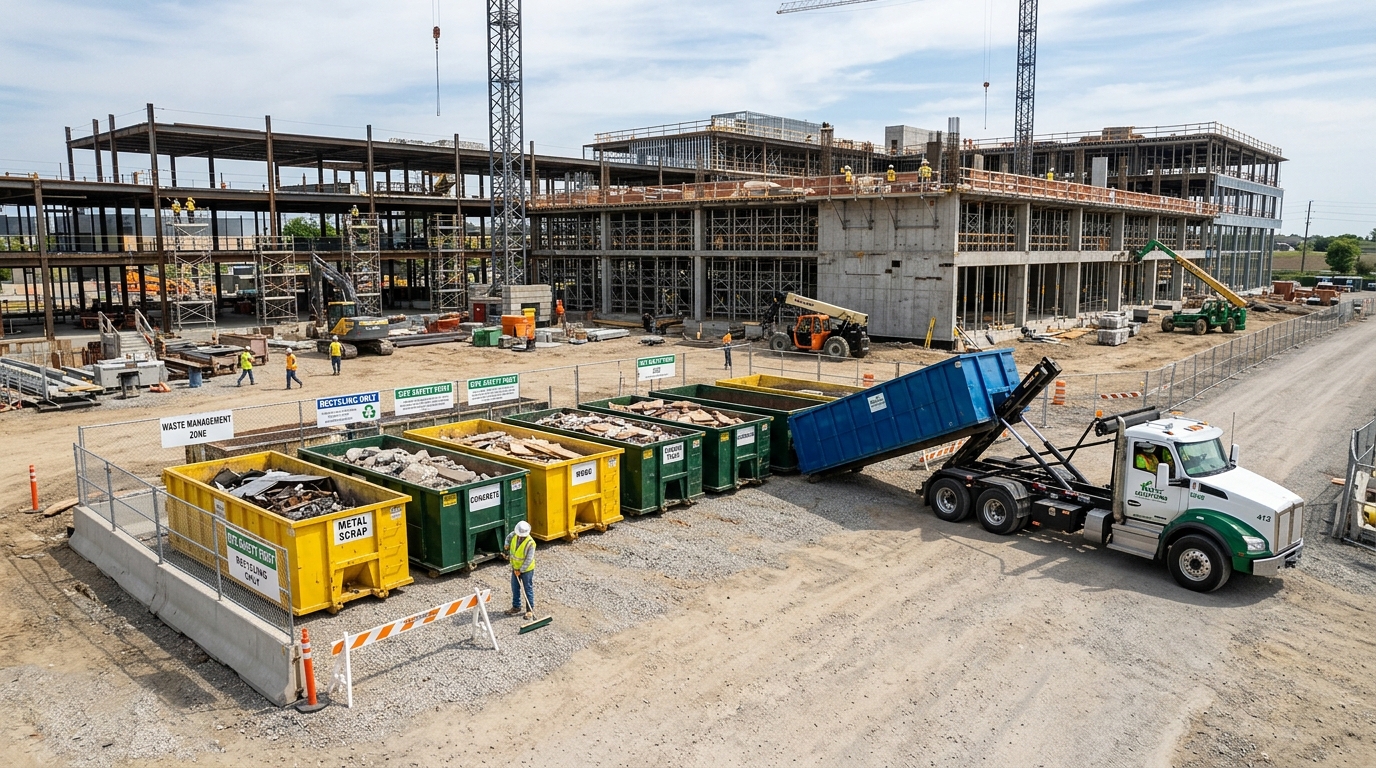
Whether you are gutting a kitchen, tearing off a roof, or managing a full-scale commercial renovation, waste removal is one of those logistics you cannot afford to get wrong. Most contractors and homeowners start their search the same way: a quick online search, a few phone calls, a couple of quotes. But here is where things go sideways fast. Not all dumpster rental services are priced the same way, and the gap between your initial quote and your final invoice can be significant if you are not asking the right questions upfront.
This guide is for anyone who has been burned before, or who wants to avoid that experience entirely.
Why Hidden Fees Are So Common in the Dumpster Rental Industry
The dumpster rental industry, like many service-based industries, has pricing structures that are not always transparent. Some companies advertise a base rate that sounds reasonable, then layer on add-on charges that only show up when the bill arrives. It is not always intentional deception. Sometimes it is just the way a company has structured its pricing model. But the result is the same for the customer: a surprise charge that throws off your project budget.
Understanding why this happens helps you ask better questions before you commit.
Rental companies incur real costs that can vary depending on your specific situation. Disposal fees, fuel surcharges, extended rental periods, weight overages, and permit processing fees are all legitimate costs. The problem is when these are not disclosed clearly at the time of quoting. A company that walks you through every line item upfront, even when the total is slightly higher than a competitor, is often the safer and smarter choice.
The Most Common Hidden Fees to Watch Out For
Before you book anything, get familiar with the charges that tend to catch customers off guard.
Weight Overage Fees
Every roll-off dumpster has a maximum weight allowance included in the base rental price. If your debris exceeds that included tonnage, you will be charged for the overage, usually at a per-ton rate. This is one of the most frequent sources of billing surprises, especially on construction and renovation projects where materials like concrete, tile, and roofing shingles add up faster than expected.
When you call for a quote, ask specifically: how many tons are included, what is the per-ton overage rate, and is there a hard cap or does the meter just keep running?
Extended Rental Fees
Most rental agreements include a standard rental period, often around two weeks. If your project runs long and the container stays on-site past that window, daily or weekly extension fees kick in. On a busy renovation or construction project, timelines shift constantly. Make sure you know what the extension rate is and whether you need to call ahead to request an extension or if it happens automatically.
Fuel Surcharges
Some companies add fuel surcharges to delivery and pickup fees. These can be a flat rate or a percentage of the total invoice, and they are not always mentioned during the initial quote. Ask directly whether fuel is included or billed separately.
Delivery and Pickup Fees
In some pricing models, delivery and pickup are billed as separate line items rather than being folded into a flat rental rate. This is worth clarifying early. A quote of $300 sounds different when you learn that delivery is an additional $75 each way.
Environmental or Administrative Fees
Some companies charge what they call environmental fees or administrative fees. These can cover anything from landfill surcharges to paperwork processing. Not all companies charge these, and those that do do not always volunteer the information upfront. Ask whether there are any fees beyond the base rental price, tonnage, and delivery.
Permit Fees
If your container is going on a public street or in certain locations regulated by local municipalities, you may need a permit. Some rental companies handle permit acquisition on your behalf and pass along the cost, sometimes with a markup. Others leave it entirely up to you. Either way, you want to know before delivery day.
How to Compare Quotes the Right Way
Getting multiple quotes is smart. But comparing them accurately requires a little more than looking at the bottom line number.
Ask for an all-in quote. Request that every potential charge, disposal included, delivery, pickup, fuel, environmental fees, and applicable taxes, be listed out. A transparent company should have no problem doing this. If a company is vague or tells you it depends, push for specific scenarios based on your project.
Compare included tonnage, not just price. A quote of $350 that includes 2 tons of disposal may be a better deal than a $300 quote that only includes 1 ton, especially if you are doing a renovation that generates significant debris. Run the math based on what you expect to throw in.
Ask about the overage rate. Even if you plan carefully, construction and renovation projects generate surprises. A company with a reasonable overage rate gives you a much softer landing if your weight estimate is off.
Confirm the rental period. Two weeks is common. Some companies offer only seven days at the base rate. If your project is likely to run longer, factor the extension cost into your comparison.
Read the terms before you agree. Whether you are signing a formal agreement or simply confirming a quote over the phone, ask the company to walk you through any restrictions on what can be placed in the container, what happens if you exceed the weight limit, and what your options are if you need an early pickup or extended rental.
Red Flags When Evaluating a Dumpster Rental Company
Some warning signs are easy to spot if you know what to look for.
A company that cannot give you a clear answer about overage fees is worth being cautious about. If the person quoting you cannot tell you what happens when the container comes in over the included weight, that is either a training issue or a pricing model designed to be unclear.
Unusually low quotes are another flag. In a market where disposal, fuel, and labor costs are fairly consistent, a quote that comes in significantly below competitors often means something is being left out of the initial number. It will show up somewhere.
Lack of responsiveness before you book is a reliable indicator of what you can expect after. If it is difficult to reach someone with a question during the sales process, imagine how hard it will be to resolve a billing dispute or request a schedule change mid-project.
A company that answers the phone, explains pricing clearly, and takes the time to ask about your project before quoting is showing you exactly how they operate across the board.
Questions Worth Asking Before You Book
Here is a practical list you can use on your next call:
- What is included in the base rental price?
- How many tons of disposal are included?
- What is the per-ton overage rate if I exceed that?
- How long is the standard rental period?
- What is the daily or weekly rate if I need to keep it longer?
- Are delivery and pickup included or billed separately?
- Are there fuel surcharges or environmental fees?
- Do I need a permit for my placement location, and if so, do you handle that?
- Are there any restrictions on what I can put in the container?
- What happens if I need an early pickup?
A reputable company should be able to answer every one of these questions without hesitation.
The Bigger Picture
Choosing a dumpster rental company is not just about price. It is about finding a partner who communicates clearly, shows up when they say they will, and stands behind the quote they gave you. On a renovation or construction project, the last thing you need is a billing dispute taking your attention away from the job itself.
The companies worth trusting are the ones that treat the quoting process as seriously as the delivery. When pricing is clear, communication is open, and the team actually picks up the phone, that is a sign you are dealing with people who value their reputation.
Take the time to compare carefully, ask the questions that matter, and do not let a low upfront number lure you into a situation where the real cost only becomes clear after the container has been picked up.