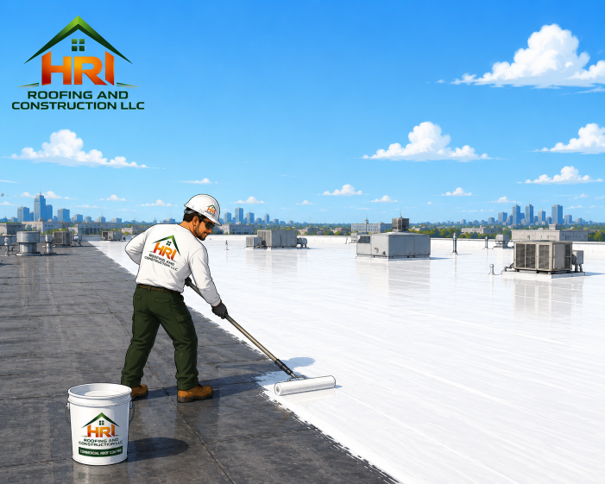
Commercial roof coating systems continue to grow in popularity throughout Denver and the Front Range.
Commercial building owners in Denver eventually face an important roofing decision: should the existing roof be restored with a coating system, or is it time for a complete roof replacement?
For many properties, roof coatings have become an increasingly popular solution because they can extend the life of an existing roofing system while avoiding the cost and disruption of a full tear-off. However, not every roof is a candidate for restoration, and understanding the pros and cons of each option can help property owners make a more informed decision.
As more businesses search for long-term roofing solutions in Colorado’s demanding climate, working with an experienced Denver commercial roofing contractor can help determine whether restoration or replacement makes the most sense for the building.
Understanding Commercial Roof Coatings
Commercial roof coatings are fluid-applied membrane systems designed to restore and protect existing roofs. Once applied, the coating creates a seamless waterproof barrier that helps defend the roof against UV exposure, ponding water, thermal expansion, and weather-related deterioration.
Roof coatings are commonly installed on:
• Metal roofing systems
• Modified bitumen roofs
• Built-up roofing (BUR)
• Single-ply systems like TPO and EPDM
• Some spray foam roofing systems
In many situations, a coating system can add years of life to an aging roof while significantly reducing replacement costs.
Silicone roof coatings are among the most widely used systems in commercial roofing because of their resistance to standing water and strong weather performance. However, the best solution depends on the roof type, current condition, drainage, and overall building needs.
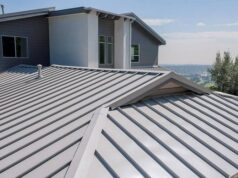
Property owners exploring commercial roof coating systems for metal roofs often find that restoration can help address leaks, rust exposure, fastener issues, and weathering without removing the entire roofing system.
Roof Inspections Are Critical Before Coating
One of the most important parts of determining whether a commercial roof can be coated is performing a thorough inspection beforehand. Contractors typically evaluate the condition of the membrane, seams, penetrations, drainage, flashing details, and any areas showing signs of moisture intrusion.
An inspection helps determine whether the roof is a good candidate for restoration or if deeper structural issues may require replacement instead.
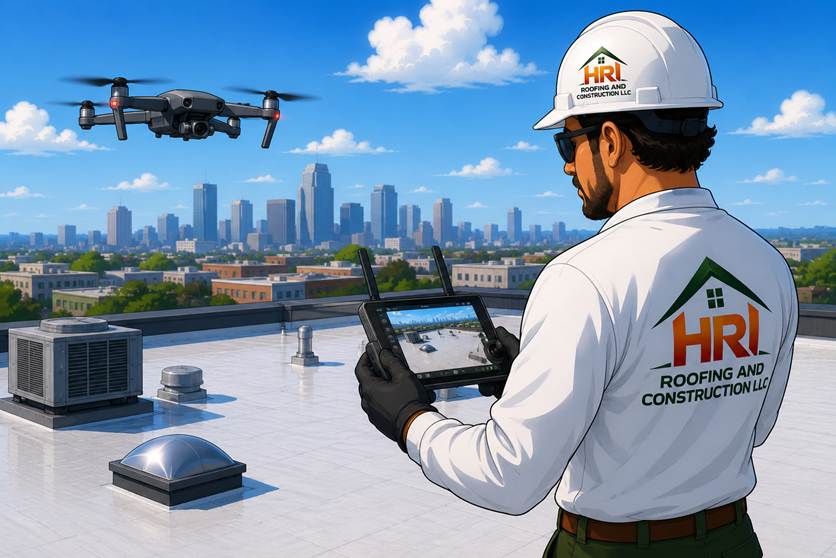
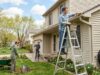
Commercial roof inspection being performed before evaluating a roof coating system.
Why Roof Coatings Have Become So Popular in Denver
Colorado’s climate creates constant stress on commercial roofing systems. Intense UV exposure, freeze-thaw cycles, hailstorms, snow accumulation, and rapid temperature swings can all accelerate roof deterioration over time.
For many building owners, coatings offer several advantages:
• Lower overall project cost
• Minimal business interruption
• Faster installation timelines
• Reduced landfill waste
• Improved waterproofing protection
• Increased energy efficiency from reflective surfaces
• Extended roof lifespan
The Pros of Commercial Roof Coatings
One of the biggest advantages of a roof coating system is cost savings. Full commercial roof replacements can become extremely expensive, especially for large buildings with extensive tear-off requirements.
Coatings often allow property owners to restore the existing roof at a fraction of the replacement cost.
Roof replacement projects can disrupt daily business operations due to noise, debris, odors, and longer construction timelines. Coating systems are generally less invasive and can often be installed with minimal interruption to tenants, employees, or customers.
The Cons of Roof Coatings
While coatings offer many advantages, they are not the right fit for every building.
A roof coating system works best when the existing roof is still structurally sound. If the roof has severe saturation, widespread deterioration, major structural damage, or failed insulation beneath the membrane, replacement may be necessary.
Final Thoughts
Commercial roof coatings have become one of the fastest-growing segments of the roofing industry for good reason. They offer building owners an opportunity to restore and protect existing roofing systems without immediately committing to a costly replacement project.
For Denver commercial property owners, understanding the differences between roof restoration and full replacement is an important step toward protecting the building, controlling long-term maintenance costs, and maximizing roof performance in Colorado’s challenging climate.