When your basement floods or suffers from water damage, time becomes your greatest enemy. Within hours, standing water can seep into walls, flooring, and furniture — creating an environment ripe for mold, rot, and costly structural issues. Choosing the right water restoration company is critical, not just to dry your basement, but to ensure your home is safe, clean, and fully restored.
However, not all restoration companies are created equal. Some may offer fast service but lack proper certifications, while others might provide competitive pricing but use outdated equipment. In this guide, we’ll break down how to identify the best water restoration company for your basement, what to look for, red flags to avoid, and how to make sure you get the most value for your money.
1. Understand What Water Restoration Involves
Before you hire anyone, it’s essential to understand what “water restoration” actually means. Many homeowners assume it’s just about removing water, but professional restoration goes far beyond that.
Water Restoration Typically Includes:
- Water extraction – Removing standing water using industrial-grade pumps and vacuums.
- Moisture detection – Using infrared cameras and hygrometers to find hidden moisture behind walls and under floors.
- Drying and dehumidifying – Setting up air movers and dehumidifiers to dry out the space completely.
- Cleaning and sanitizing – Disinfecting surfaces to prevent mold and bacteria growth.
- Structural repairs and restoration – Replacing damaged drywall, flooring, insulation, or furniture.
A reputable company will walk you through each step of this process, explaining what needs to be done, why, and how long it will take.
2. Check for Licensing and Certification
The most reliable water restoration companies are backed by industry certifications and proper licensing. These credentials prove they’ve been trained to handle water damage safely and effectively.
Key Certifications to Look For:
- IICRC Certification (Institute of Inspection, Cleaning and Restoration Certification):
This is the gold standard in the restoration industry. It ensures technicians follow established safety and quality standards. - EPA Lead-Safe Certification:
Important for older homes that may have lead-based paint or materials disturbed during restoration. - State or Local Business Licensing:
Make sure the company is legally authorized to operate in your area and has a valid business license.
● Companies like Complete Restorations proudly display their IICRC and EPA certifications, giving customers peace of mind that they’re working with true professionals.
3. Prioritize Experience and Specialization
Not all water damage is the same — a leaky pipe is different from a sewage backup or storm flooding. Choose a company that specializes in basement water restoration and has years of experience dealing with similar situations.
Questions to Ask:
- How long have you been in business?
- How many basement water damage projects have you handled?
- Do you have experience with my type of damage (e.g., sump pump failure, storm flooding, sewage backup)?
- Can you provide before-and-after photos or references?
Experienced companies can identify potential complications early — like hidden structural issues or mold pockets — and address them before they become major problems.
4. Look for 24/7 Emergency Availability
Water damage doesn’t wait for business hours. Whether a pipe bursts at 3 a.m. or heavy rain floods your basement over the weekend, you need a company that responds immediately.
Why Emergency Response Time Matters:
- Within 24 hours, water can start causing mold growth.
- Within 48 hours, drywall and wood can begin to rot.
- Within 72 hours, your basement may develop structural instability or severe odor issues.
A good water restoration company should be reachable 24/7, with technicians who can arrive within 60 minutes of your call. They should also have fully stocked trucks ready with pumps, dehumidifiers, and other necessary equipment.
5. Verify Insurance and Liability Coverage
Restoration work can be complex, involving electrical systems, heavy equipment, and potentially contaminated materials. Always make sure the company carries liability insurance and worker’s compensation coverage.
Why It’s Important:
- If a worker gets injured on your property, you could be held liable if the company isn’t insured.
- If the company accidentally causes further damage, their liability insurance should cover repairs.
Before signing any agreement, request proof of insurance and make sure it’s up to date. Reputable companies will provide this documentation without hesitation.
6. Assess Equipment and Technology
Modern water restoration relies heavily on advanced technology for detection, drying, and monitoring. Outdated or poorly maintained equipment can slow down the process and leave hidden moisture behind — setting the stage for future mold or structural problems.
Tools a Professional Company Should Use:
- Infrared cameras – Detect moisture behind walls or ceilings.
- Moisture meters and hygrometers – Measure humidity and moisture levels precisely.
- Industrial-grade dehumidifiers and air movers – Speed up drying.
- HEPA air scrubbers – Remove contaminants and improve air quality.
- Truck-mounted extraction units – Remove large volumes of water quickly.
Ask the company about their drying and monitoring technology. Companies that invest in cutting-edge equipment usually take their work seriously.
7. Ask About Their Restoration Process
Transparency is key. A professional company should clearly outline its step-by-step process for drying, cleaning, and restoring your basement.
An Ideal Water Restoration Process Includes:
- Inspection and Damage Assessment – Determining water source, contamination level, and affected areas.
- Water Extraction – Using pumps and vacuums to remove standing water.
- Drying and Dehumidification – Running industrial fans and dehumidifiers to eliminate moisture.
- Cleaning and Sanitizing – Using antimicrobial and odor removal treatments.
- Repair and Restoration – Replacing damaged drywall, flooring, and insulation.
If a company cannot explain their process clearly or refuses to show you their plan, consider that a red flag.
8. Evaluate Communication and Customer Service
Restoration projects can be stressful. The best companies provide clear communication, update you frequently, and answer questions patiently. Pay attention to how they interact with you from the first phone call.
Signs of Good Customer Service:
- They respond promptly to calls and messages.
- They offer a detailed estimate and timeline.
- They explain your options without pressuring you.
- They show empathy for your situation and work around your schedule.
Restoration isn’t just about technical skills — it’s about trust and professionalism. A company that communicates well will also likely handle your project responsibly.
9. Request Detailed Written Estimates
Never rely on a verbal quote. The best water restoration companies provide a written, itemized estimate that breaks down every cost — including labor, equipment, and materials.
What a Good Estimate Should Include:
- Assessment of damage extent and contamination level
- Cost of water removal and drying
- Labor charges for repairs or reconstruction
- Mold remediation or sanitization costs (if needed)
- Estimated project duration
Compare estimates from multiple companies, but don’t automatically choose the cheapest. A low quote might mean cut corners or inferior materials. Instead, look for transparency and fairness.
10. Check Reviews, Ratings, and References
In the age of digital transparency, customer feedback can reveal a lot about a company’s reputation. Before making a decision, research online reviews and past customer experiences.
Where to Look:
- Google Reviews
- Yelp
- Better Business Bureau (BBB)
- Angi (formerly Angie’s List)
- Facebook or Nextdoor community recommendations
Look for consistent praise about timeliness, professionalism, and thoroughness. If a company has many unresolved complaints or negative reviews about poor communication, take it as a warning sign.
You can also ask the company directly for references from previous clients who had similar basement water damage. Speaking to real customers adds confidence to your choice.
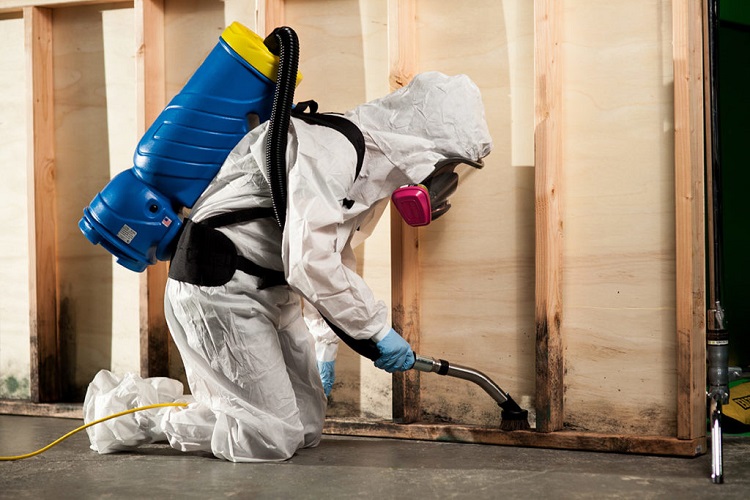
11. Confirm Mold Prevention and Remediation Expertise
Basements are particularly prone to mold growth after flooding or leaks. Even if the visible water is removed, hidden moisture can cause mold colonies to form within days.
Why Mold Expertise Matters:
Mold spores can spread quickly through your HVAC system, causing allergies, respiratory issues, and property damage.
The best restoration companies don’t just dry your basement — they test for mold and apply preventive treatments. Ask if they:
- Conduct post-restoration moisture testing.
- Use HEPA filters or antimicrobial agents.
- Offer separate mold remediation services if needed.
12. Inquire About Working With Insurance Companies
If your water damage is covered by homeowner’s insurance, it helps to have a restoration company that can coordinate directly with your insurer. Experienced companies often work with major insurance providers and can simplify the claims process.
Benefits of Choosing an Insurance-Friendly Company:
- They document all damage with photos and reports.
- They use standard industry software (like Xactimate) for accurate pricing.
- They can bill your insurance company directly.
This saves you time, reduces paperwork, and ensures you get reimbursed fairly for the restoration.
13. Look for Local Presence and Community Reputation
While national franchises can be reliable, a local company often provides faster response times and more personalized service. Local businesses rely on community trust, so they’re motivated to maintain high-quality standards.
Advantages of Hiring Local Experts:
- They understand regional weather patterns and basement flooding issues.
- They’re familiar with local building codes and insurance adjusters.
- They can respond quicker to emergencies.
Local reputation also gives you peace of mind — if problems arise later, they’re just a short drive away.
14. Watch Out for Red Flags
Unfortunately, some companies prey on homeowners in distress. Be cautious of contractors who rush you into signing agreements or demand upfront payments without inspection.
Common Red Flags:
- Refusal to provide licensing or insurance proof
- No written estimate or contract
- Unmarked vehicles or no company branding
- Demands for full payment before starting work
- Poor online reviews or no web presence
If something feels off, trust your instincts and get a second opinion.
15. Ask About Post-Restoration Support
True professionals stand by their work even after the project is done. Before hiring, ask if they provide warranties, follow-up visits, or post-restoration inspections.
Why It’s Important:
Basement water damage can have delayed effects — hidden moisture, warping, or mold might appear weeks later. A reputable company will offer follow-up checks to ensure your basement remains dry and stable.
16. Compare Cost vs. Value
It’s tempting to go with the lowest bid, but basement restoration is an investment in your home’s safety. Focus on long-term value, not just cost.
A High-Value Company Offers:
- Certified, skilled technicians
- Fast, 24/7 emergency response
- Advanced drying equipment
- Full transparency in pricing
- Excellent customer communication
- A guarantee on workmanship
Remember, quality restoration can prevent future expenses like mold removal, structural repairs, or health-related costs.
Conclusion: Choosing the Right Partner for Recovery
Selecting the best water restoration company for basement water damage isn’t just about who can arrive first — it’s about who can restore your home the right way.
By checking for certifications, experience, modern equipment, transparent estimates, and strong customer service, you can confidently choose a partner who protects both your property and your peace of mind.
When disaster strikes, preparation and informed decision-making are your best defenses. Take a few extra hours to vet your restoration company carefully — and you’ll save yourself thousands of dollars and weeks of stress in the long run.