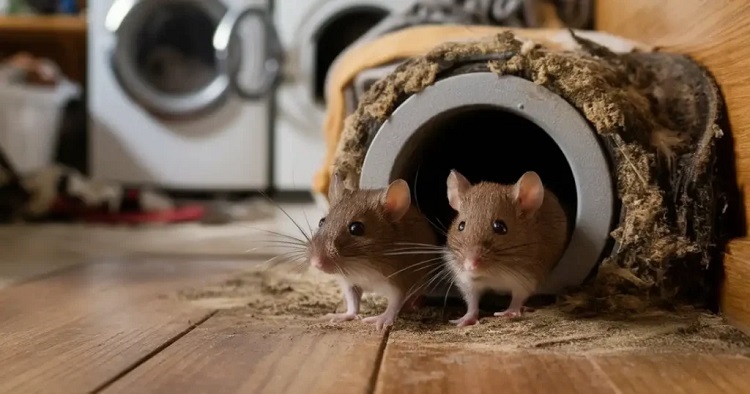
One of the most surprising, and therefore least thought of, vulnerabilities Elmhurst homeowners have in their homes is their dryer vents. As residents prepare by locking windows, sealing basement cracks, and barring doors, mice sneak in, capitalizing on the cozy portals provided by dryer exhaust systems. Elmhurst winters are harsh, and so are the rodents that flock to warm houses when the temperatures fall.
These vents offer everything a mouse wants: warmth, proximity to food sources, and shelter from the elements. But mice do not limit themselves to the laundry room once they enter. They move into walls, attics, and living areas, leave droppings, chew on wires, and still play a role in igniting fires.
Rodent-related service requests increase by about 40% during the fall and winter months, according to data from the DuPage County Health Department. If you hear scratching sounds around your dryer or have found droppings near your laundry area, you can contact from pointepestcontrol.net to prevent a minor issue from becoming a significant infestation.
Why Mice Target Dryer Vents in Elmhurst Homes
In Elmhurst, where winter temperatures routinely fall below 20°F, the difference between outdoor cold and warm vent exhale operates like a beacon. Dryer vents emit moisture along with lint, which creates a microclimate that provides shelter and nesting material. Another reason mice like the high-up vent is that it protects them from predators and flooding. Elmhurst has an older housing stock; most homes were built before 1970, and original vent installations may lack modern pest-resistant features. These vulnerable points of entry are sniffed out by mice from several feet away, ensuring your dryer vent is number one on their list of entryways into your home.
How Mice Get In Through the Dryer Vent?
Damaged or Missing Vent Covers
Although the external vent cover is the first line of defence against pest invasion, exposure to the elements weakens it over time. In Elmhurst, plastic flaps become brittle from freeze-thaw cycles, and metal covers rust, creating openings. Mice can fit through an opening the size of a pencil. As soon as a cover is damaged in any way, intrepid mice can force the hole open within hours.
Exploiting Lint Buildup
Built-up lint presents itself as a surprise problem, not only a fire hazard. This material acts as insulation, retaining heat inside the vent, which also makes it more appealing to mice. Research indicates that 90% of all dryer vents have lint buildup that actually restricts airflow & that this buildup provides mice with hand & toe-holds for actual climbing. Once inside, they are presented with soft, warm lint that serves as instant nesting material.
Gaps Around Vent Installation
Improper installations omit any spaces around the vent pipe and the opening in the exterior wall. These gaps are often not visible because they are behind the vent cover. Mice trace the air current from these gaps and slide in. In older Elmhurst neighborhoods such as Elmhurst City Centre, settling foundations can add extra separation height, exacerbating the issue.
Why Do DIY Fixes Often Fall Short?
Many homeowners engage in stopgap measures such as stuffing gaps with steel wool and replacing vent covers on their own. These are realistic measures, but mice adapt quickly. Unsealed steel wool eventually works out, and replacement covers purchased at hardware stores often do not stand up to a determined rodent.
The worst part is that DIY fixes focus on visible points of entry while neglecting others. If the mice have already established access routes, they could have created multiple entry points throughout the vent system.
Seeking Professional Assistance For a Permanent Solution
When it comes to mice and dryer vents, it takes more than a cursory glance. Pointe Pest Control knows Elmhurst pests, including how the houses were built and how the seasons affect the rodents here. They do not simply seal the apparent gaps; their specialists conduct a detailed examination with specialized cameras to identify all potential openings in the vent system. It contains commercial exclusion materials to deter both pests and persistent rodents, as well as thorough cleaning to eliminate attractants such as lint and nesting materials.