As the rainy season approaches, most homeowners focus on what happens inside their homes checking for leaks, adjusting indoor humidity, or preparing emergency supplies. But the real battle against heavy rainfall often starts outside. Your home’s exterior is the first line of defense against water intrusion, and small, overlooked issues can quickly turn into costly damage once prolonged rain begins.
From clogged gutters to subtle roof discoloration, there are warning signs that indicate your home exterior may need attention before the first major storm arrives. Addressing these issues early can prevent water damage, protect structural components, and save you from expensive repairs later in the season.
Below are the most common exterior maintenance issues homeowners overlook before the rainy months and why they matter more than you might think.
1. Gutters That Don’t Drain Properly
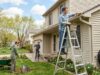
Gutters are designed to move water away from your roof and foundation efficiently. When they’re working properly, you rarely notice them. When they’re not, the damage can be silent but severe.
Warning signs to look for:
- Water spilling over the sides during light rain
- Sagging or pulling away from the fascia
- Plants or debris visibly growing inside
- Staining on siding directly below gutter lines
Clogged or misaligned gutters allow water to overflow and run down exterior walls. Over time, this can damage siding, erode landscaping, and saturate the soil around your foundation. During the rainy season, this excess moisture increases the risk of foundation shifting and basement leaks.
Cleaning gutters before heavy rainfall is one of the simplest preventative steps homeowners can take, yet it’s one of the most commonly postponed tasks.
2. Downspouts That Discharge Water Too Close to the Home
Even clean gutters can cause problems if downspouts aren’t directing water far enough away from the structure.
Why this matters:
When water is released near the foundation, it pools around the base of the home. Over repeated rain cycles, this moisture can seep into crawl spaces or basements and weaken concrete over time.
What to check:
- Downspouts should extend several feet away from the house
- Splash blocks or extensions should be intact and angled properly
- No pooling water should remain after rainfall
Before the rainy season begins, take a walk around your home after a storm. Standing water near downspout exits is a sign adjustments are needed.
3. Roof Flashing That’s Loose or Deteriorating
Roof flashing doesn’t get much attention, but it plays a crucial role in keeping water out of vulnerable areas. Flashing is installed around chimneys, vents, skylights, and roof edges—places where water naturally wants to collect.
Signs of flashing issues:
- Visible rust or corrosion
- Lifting or separated metal edges
- Cracked sealant around flashing joints
During heavy rainfall, even small flashing gaps can allow water to penetrate beneath shingles and into the roof deck. This can lead to slow leaks that remain hidden until interior stains appear—often long after the damage has already spread.
A quick exterior inspection before the rainy season can help catch these issues early.
4. Poor Yard Grading That Sends Water Toward the House
Your yard’s slope plays a major role in how rainwater moves around your property. Ideally, the ground should slope away from the home so water naturally drains outward.
Common grading problems:
- Soil settled near the foundation over time
- Mulch beds holding water against walls
- Walkways or patios angled toward the house
Improper grading allows rainwater to flow toward the foundation instead of away from it. Over time, this constant moisture pressure can crack foundation walls or lead to interior dampness.
Before the rainy season, inspect areas where soil meets your home. Low spots or erosion channels are signs that water isn’t draining as it should.
5. Roof Surface Discoloration That Signals Deeper Issues
Many homeowners assume roof stains are purely cosmetic. While some discoloration is harmless, certain stains can indicate moisture-related problems that worsen during extended rainy periods.
Common roof discoloration causes:
- Algae growth (often dark streaks)
- Moss buildup in shaded areas
- Lichen clinging to shingle surfaces
These organisms thrive in humid environments and retain moisture against the roof surface. Over time, trapped moisture can degrade shingles, shorten roof lifespan, and increase the likelihood of leaks during heavy rainfall.
This is often when homeowners start researching roof cleaners or a professional roof washing company in Tallahassee Florida to safely remove stains before seasonal storms arrive. Proper cleaning helps restore the roof’s ability to shed water efficiently while also improving curb appeal.
6. Cracked or Missing Caulking Around Exterior Openings
Windows, doors, vents, and siding joints are sealed with caulking to prevent water intrusion. Exposure to sun, heat, and age causes caulk to crack, shrink, or peel away.
What to look for:
- Gaps around window frames
- Brittle or flaking sealant
- Visible daylight through exterior seams
During heavy rain, water can easily penetrate these openings and travel behind walls. Interior damage may not appear until weeks later, making the source difficult to identify.
Re-caulking problem areas before the rainy season is a low-cost task that can prevent major headaches.
7. Siding That Shows Warping or Staining
Your home’s siding is designed to protect the structure from weather, but it’s not immune to damage.
Warning signs:
- Warped or buckled panels
- Green or black staining near seams
- Soft spots in wood siding
These issues often indicate moisture exposure. During prolonged rainfall, compromised siding allows water to reach insulation and framing materials, leading to mold growth and structural weakening.
Early attention helps preserve both the appearance and function of your exterior walls.
8. Driveways and Walkways That Channel Water Toward the Home
Hard surfaces like driveways and sidewalks can unintentionally redirect rainwater toward your house.
Common problems:
- Cracks that funnel water inward
- Settled concrete sloping toward the foundation
- Poor drainage near entryways
During heavy rain, these surfaces can act like water slides, directing runoff straight to your home’s weakest points. Minor repairs or drainage adjustments can dramatically reduce this risk before the rainy season begins.
9. Roof Debris That Blocks Proper Drainage
Leaves, branches, and debris often collect on roofs, especially in valleys and low-slope areas. While this may seem harmless, debris traps moisture and slows water runoff.
Why it’s a problem:
- Standing water increases shingle wear
- Debris accelerates algae and moss growth
- Overflow can force water under shingles
Removing roof debris before storms ensures rainwater flows freely and reduces stress on roofing materials.
10. Why Preventative Exterior Maintenance Matters
Rainy seasons don’t just expose existing problems—they magnify them. What starts as a minor exterior issue can quickly escalate once consistent moisture is introduced.
Preventative maintenance:
- Extends the lifespan of roofing and siding
- Reduces the risk of interior water damage
- Protects foundation stability
- Saves money on emergency repairs
Many homeowners wait until they see leaks or interior stains, but by then, the damage has already progressed. Addressing exterior warning signs early is always the smarter approach.
Final Thoughts
Preparing your home for the rainy season isn’t about overreacting—it’s about paying attention. Gutters, flashing, grading, and roof surface discoloration are often overlooked because they don’t cause immediate problems. But when heavy rain arrives, these small issues can turn into major repairs.
By inspecting your exterior, addressing drainage concerns, and considering professional services like roof cleaning when stains appear, you can help ensure your home remains protected throughout the wettest months of the year. A little attention now goes a long way when the storms start rolling in.