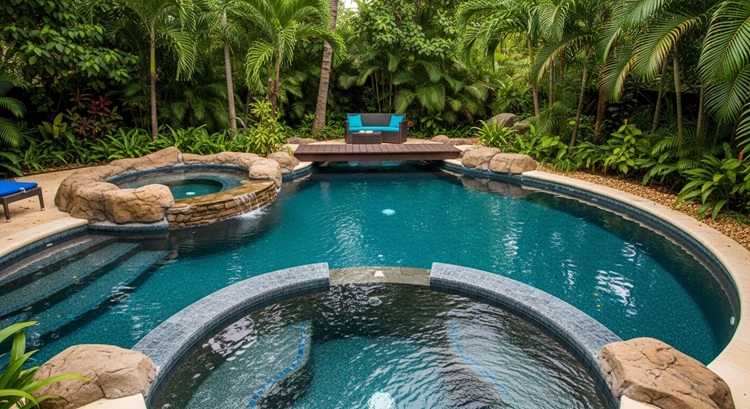
Spring is the season of fresh starts, making it the perfect time to rethink your outdoor space. For many homeowners, landscaping projects begin with planting flowers, refreshing lawns, or adding decorative features. But if a pool is even a distant part of your future plans, your spring landscaping decisions should be made with long-term strategy in mind.
Too often, homeowners invest time and money into beautiful landscapes—only to tear them apart later when it’s time to install a pool. With a bit of foresight, you can create a yard that looks stunning now and transitions seamlessly into a pool-ready environment down the road.
This guide explores smart spring landscaping ideas that align with future pool plans, helping you avoid wasted effort, unnecessary costs, and design regrets.
Why Planning Ahead Matters
Landscaping and pool installation are closely connected. A pool isn’t just an addition—it reshapes your entire outdoor layout, including drainage, plant placement, hardscaping, and traffic flow.
Many professionals, including Ellicott City MD pool companies for modern pool designs, often encounter yards where recent landscaping has to be removed or heavily modified to make room for a pool. This leads to:
- Extra labor costs
- Delayed construction timelines
- Loss of newly planted greenery
- Frustration for homeowners
Planning your spring landscaping with a future pool in mind ensures your efforts today contribute to your long-term vision instead of working against it.
Start With a Flexible Layout
Before planting anything, think about how your yard might evolve. Even if you don’t have exact pool plans yet, you can still make strategic decisions.
Leave Open Space
Avoid filling your entire yard with permanent features. Keep a central or rear section relatively open where a pool could eventually go.
Think About Access
Pool construction requires machinery access. Leave pathways or side yard space wide enough for equipment to pass through without destroying your landscaping.
Avoid Overbuilding
Skip large, permanent installations like stone walls, pergolas, or patios in areas that might later interfere with pool placement.
A flexible layout gives you freedom to adapt when you’re ready to take the next step.
Choose Pool-Friendly Plants
Not all plants are created equal—especially when it comes to poolside environments. Selecting the right greenery now can save you from replanting later.
Go for Low-Mess Plants
Pools and debris don’t mix well. Avoid plants that shed heavily, such as:
- Deciduous trees with constant leaf drop
- Flowering plants that produce sticky residue
- Seed-producing trees
Instead, consider:
- Evergreens
- Ornamental grasses
- Slow-growing shrubs
These options keep maintenance low and reduce future pool cleaning issues.
Avoid Aggressive Root Systems
Some trees and shrubs have roots that can damage pool structures, plumbing, or decking.
Steer clear of:
- Willow trees
- Poplars
- Large maples
Instead, choose plants with non-invasive roots that are easier to manage.
Think About Mature Size
That small plant you add in spring might grow much larger over time. Avoid placing trees or shrubs too close to where a pool might go.
Give plants room to grow without interfering with future construction zones.
Plan for Proper Drainage
Drainage is one of the most overlooked aspects of landscaping—and one of the most important when planning for a pool.
Why Drainage Matters
Pools require stable, well-drained ground. Poor drainage can lead to:
- Soil erosion
- Water pooling around the pool area
- Structural instability
Smart Spring Drainage Ideas
1. Grading the Yard
Ensure your yard slopes gently away from your home and any future pool area. This prevents water accumulation.
2. Installing French Drains
A French drain system can redirect excess water and protect both your landscaping and future pool structure.
3. Using Permeable Materials
Choose permeable pavers or gravel for pathways. These materials allow water to seep into the ground rather than collect on the surface.
Professionals like Ellicott City MD pool companies for modern pool designs often emphasize that good drainage planning early on can significantly reduce complications during installation.
Incorporate Temporary Hardscaping
Hardscaping adds structure and functionality to your yard, but it should be done strategically.
Use Modular Designs
Instead of permanent concrete slabs, consider:
- Pavers
- Deck tiles
- Gravel seating areas
These can be easily removed or adjusted later when your pool is installed.
Create Multi-Use Spaces
Design areas that serve a purpose now but can evolve later. For example:
- A seating area that could become a poolside lounge
- A fire pit zone that can shift location if needed
This approach ensures your investment continues to add value over time.
Think About Sun and Shade
Pools benefit from a balance of sunlight and shade. Your landscaping choices should reflect this.
Maximize Sun Exposure
Pools are more enjoyable—and energy-efficient—when they receive ample sunlight. Avoid planting large shade trees in the area where your pool might go.
Add Flexible Shade Options
Instead of permanent shade structures, consider:
- Umbrellas
- Retractable awnings
- Portable pergolas
These provide comfort now without limiting future pool design.
Plan Utility Placement Carefully
Spring landscaping often includes irrigation systems, lighting, and outdoor features—but these should be placed thoughtfully.
Irrigation Systems
Avoid installing sprinkler lines in areas where a pool may be built. Rerouting them later can be costly.
Lighting
Use low-voltage, movable lighting where possible. This allows you to redesign your lighting layout once the pool is in place.
Outdoor Features
Keep features like outdoor kitchens or water features away from potential pool zones unless they are part of a long-term plan.
Use Landscaping to Frame Future Pool Areas
Even if your pool isn’t installed yet, you can start shaping the visual flow of your yard.
Define Zones
Use plants, pathways, or edging to subtly define areas where the pool might eventually sit.
Create a Natural Transition
Design your landscaping so it naturally leads toward the future pool area. This creates a cohesive look once the pool is added.
Avoid Common Landscaping Mistakes
Many homeowners unintentionally create challenges for future pool installations. Here are a few pitfalls to avoid:
Overplanting
Filling every inch of space may look lush, but it leaves no room for future development.
Ignoring Soil Conditions
Poor soil preparation can lead to issues when excavation begins.
Blocking Access Points
Fences, hedges, or structures that limit entry can complicate construction.
Choosing Short-Term Beauty Over Long-Term Function
That trendy garden feature might look great now but could become an obstacle later.
Experts, including Ellicott City MD pool companies for modern pool designs, frequently see these issues and recommend early planning to avoid costly corrections.
Balance Aesthetics and Practicality
A beautiful yard doesn’t have to come at the expense of future plans. The key is finding the right balance.
Focus on Layered Design
Use a mix of:
- Ground cover
- Shrubs
- Small trees
This creates visual interest without overcrowding.
Keep It Cohesive
Choose colors, textures, and materials that will complement a future pool design. Neutral tones and natural materials tend to work well.
Think Long-Term
Ask yourself:
- Will this still look good with a pool?
- Will this need to be removed later?
- Is this worth the investment if it’s temporary?
These questions help guide smarter decisions.
When to Consult Professionals
Even in the early stages, it can be helpful to consult experts. Landscaping professionals and pool designers can offer insights into:
- Optimal pool placement
- Soil and drainage considerations
- Layout planning
Getting input early can prevent costly mistakes and ensure your landscaping aligns with your future vision.
Final Thoughts
Spring landscaping is an exciting opportunity to refresh your outdoor space—but it’s also a chance to plan ahead. By making thoughtful choices now, you can create a yard that not only looks beautiful today but also supports your future pool plans.
From selecting low-maintenance plants to planning drainage and preserving open space, every decision plays a role in shaping your backyard’s future. Taking a strategic approach helps you avoid unnecessary rework, save money, and enjoy a smoother transition when it’s time to install your pool.
Remember, the most successful outdoor spaces are those designed with both present enjoyment and future possibilities in mind.