Summer brings sunshine, backyard barbecues, and longer days—but it also brings intense heat, humidity, heavy storms, and the potential for costly home damage. Weatherproofing your home for summer isn’t just about comfort; it’s about protecting your investment, lowering energy bills, and avoiding preventable repairs. The good news is that the home improvement guide below will have you ready for the summer heat in no time!
Here are 8 effective ways to weatherproof your home for summer and keep it cool, efficient, and protected.
1. Seal Air Leaks and Improve Insulation
When most people think of insulation, they associate it with winter—but it’s just as important in the summer. Hot air can seep into your home through small gaps around windows, doors, and even electrical outlets.
Start by checking for drafts. If you feel warm air coming in, use weatherstripping or caulk to seal gaps. Pay close attention to:
- Window frames
- Door edges
- Attic access points
- Baseboards and trim
Proper insulation, especially in your attic, prevents heat from penetrating your home, keeping indoor temperatures more stable and reducing the strain on your HVAC system.
2. Upgrade or Maintain Your Roof
Your roof takes the brunt of summer weather—UV rays, heat, and sudden storms. If your roof is aging or damaged, it can allow heat to penetrate your home and even lead to leaks during heavy rain.
Consider:
- Inspecting for missing or damaged shingles
- Checking for soft spots or sagging
- Ensuring flashing is intact around chimneys and vents
If you want to go a step further, reflective or “cool” roofing materials can significantly reduce heat absorption, helping lower cooling costs.
3. Install or Maintain Proper Ventilation
A well-ventilated home is key to managing summer heat. Without proper airflow, hot air gets trapped in your attic, raising your home’s overall temperature.
Make sure your home has:
- Functional attic vents (ridge vents, soffit vents, or gable vents)
- Bathroom and kitchen exhaust fans that vent outside
- Clear airflow paths (no insulation blocking vents)
Proper ventilation helps hot air escape, preventing moisture buildup and reducing the risk of mold or structural damage.
4. Protect Windows from Heat and UV Rays
Windows are one of the biggest sources of heat gain in a home. Direct sunlight can quickly turn your living space into a greenhouse.
To reduce heat:
- Install blackout or thermal curtains
- Use reflective window films
- Add solar screens or exterior shutters
Even simple solutions like closing blinds during peak sunlight hours can dramatically reduce indoor temperatures and ease the load on your air conditioning.
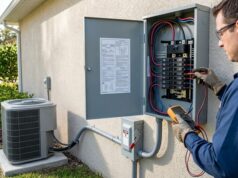
5. Service Your HVAC System
Your air conditioning system works hardest during the summer. There are many ways to reduce your cooling costs when its hot. If it’s not properly maintained, it can struggle to keep up—or worse, fail during a heatwave.
Before peak summer hits:
- Replace or clean air filters
- Schedule a professional tune-up
- Check refrigerant levels
- Clean debris around outdoor units
A well-maintained HVAC system runs more efficiently, keeps your home cooler, and extends the lifespan of the unit.
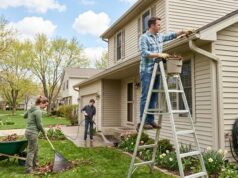
6. Prepare for Summer Storms
Summer storms can bring heavy rain, strong winds, and even hail. Taking a few preventative steps can protect your home from costly damage.
Focus on:
- Cleaning out gutters and downspouts
- Ensuring proper drainage away from your foundation
- Trimming trees and removing dead branches near your home
- Securing loose outdoor items like patio furniture
Also, consider installing gutter guards or extending downspouts to move water further away from your house, reducing the risk of flooding or foundation issues.
7. Seal and Protect Exterior Surfaces
Heat and humidity can wear down your home’s exterior over time. Cracks, peeling paint, and exposed wood can allow moisture to seep in, leading to rot or mold.
Walk around your home and look for:
- Cracks in siding or stucco
- Peeling or faded paint
- Gaps around utility penetrations
Repainting, sealing, or repairing these areas not only improves curb appeal but also creates a protective barrier against summer weather.
8. Upgrade Outdoor Shading and Landscaping
Strategic landscaping can naturally cool your home and reduce heat exposure.
Consider:
- Planting trees or shrubs to shade windows and walls
- Installing pergolas, awnings, or shade sails
- Using lighter-colored materials for patios and walkways
Shading your home’s exterior can reduce indoor temperatures by several degrees, making your home more comfortable without increasing energy use.
Final Thoughts
Weatherproofing your home for summer isn’t about one big fix—it’s about a combination of small, smart improvements that work together. By sealing air leaks, maintaining your roof and HVAC system, improving ventilation, and preparing for storms, you can protect your home while keeping it cool and energy-efficient.
The best part? Many of these steps are affordable and can be done before summer fully sets in. A little preparation now can save you from expensive repairs—and uncomfortable days—later.
If you’re unsure where to start, focus on the areas that impact both comfort and protection: insulation, roofing, and HVAC. Those three alone can dramatically improve how your home handles the summer heat.