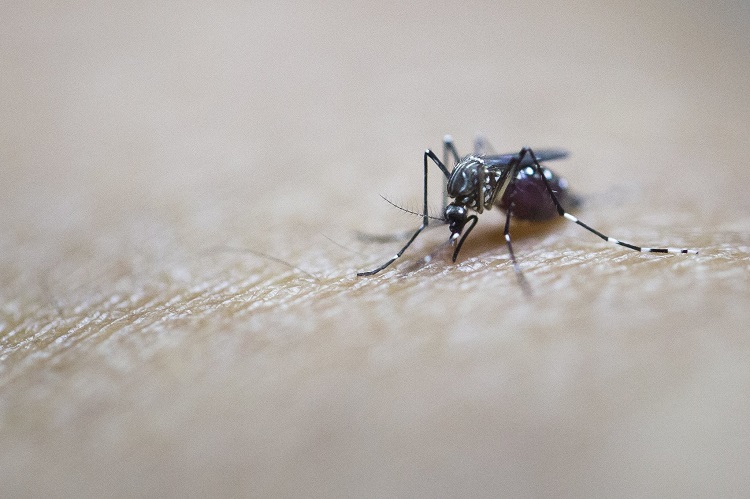
In November, Denton, Texas, temporarily relieves residents from the blistering summer heat, but the seasonal change has caused an unexpected hassle for neighborhoods from Corinth to Hickory Creek. A lot of people think mosquitoes go away when fall comes around, but because of Denton’s abnormally warm weather, these pesky insects are still buzzing long after their typical season.
Warm days, occasional rain, and standing water from fall storms are the ideal breeding conditions right in your backyard. Mosquito activity in North Texas can last until December, when temperatures remain above 50 degrees, according to the Denton County Health Department. These extended mosquito seasons are more than an inconvenience: they also increase exposure to West Nile virus, which is still circulating in the area.
So, if you are still swatting mosquitoes while preparing for Thanksgiving, it is time to consider professional mosquito control from romneypestcontrol.com that understands Denton’s unique climate challenges.
Denton’s November Climate: A Mosquito-Friendly Environment
Given November patterns in Denton, mosquitoes are able to continue living for an unusually long time:
- Moderate temperatures: An average high in Denton for November is about 65 degrees, and the lows rarely go below 45 degrees, far above the 50 degrees that mosquitoes need to be active
- Intermittent rainfall: Denton County sees 2-3 inches of rain in November, leaving puddles, water in gutters, and standing water in planters and bird baths
- Extended warm periods: Indian summer stretches can drive temperatures into the 70s and even 80s, providing mosquitoes with the fuel they need to breed and feed ferociously
- Protected microclimates: Denton boasts streets lined with trees and front yards designed to attract gardeners, forming protected spaces that remain warmer than those without tree cover
Why Mild Weather Extends Mosquito Activity
Temperature Thresholds Matter
Mosquitoes do not just go away when it becomes fall on the calendar. They will continue to do so as long as the temperatures are consistently warmer than 50°F, which Denton Novembers often are. Female mosquitoes require warmth to complete their reproductive cycle, and a single female can deposit up to 300 eggs at once in the tiniest amount of stagnant water.
Breeding Never Really Stops
Texas A&M AgriLife Extension research indicates that many species in North Texas can complete their life cycle in 7-10 days under the right conditions. The opposite is the reality, though: those mild November weeks when Denton hits the 60s and 70s can actually cause mosquito populations to rise instead of fall, surprising homeowners.
Standing Water Accumulates
The accursed combination of fallen leaves, Halloween decorations, and outdoor furniture creates countless potential water collection points around Denton properties in November. So that ornamental pumpkin collecting rain water or the gutter clogged near your home in Vintage Boulevard becomes a mosquito hatchery.
Risks for Homeowners
Longer mosquito seasons are more than just pesky bites at your backyard fire pit. In 2023, Denton County had 15 West Nile virus cases, with some occurring later in the fall. While Zika and dengue fever are less prevalent in Texas, mosquitoes also spread those diseases. Getting bitten by pests can be hazardous to health, but it can also render outdoor spaces unusable for spending time during what should be some of the year’s most pleasant weather.
Mosquitoes put a damper on your kids’ soccer games at Quakertown Park, your evening walks around the Square, or your Thanksgiving celebrations on the patio. The financial toll adds up, too. Homeowners often spend money on ineffective DIY remedies, such as citronella candles and sprays, which provide, at best, fleeting relief.
Get Help Today With Professional Pest Control!
When Denton experiences an unexpectedly warm November that allows mosquitoes to linger longer, the targeted solutions that address the source of the problem, best provided by Romney Pest Control, become necessary. They know which characteristics of Denton’s climate and landscape lead to longer mosquito seasons, and their treatments target breeding sites and create barriers on your property..